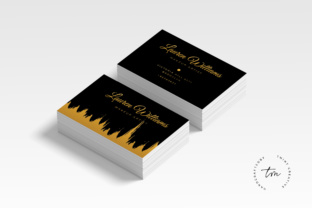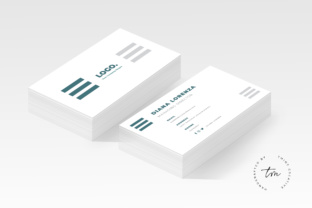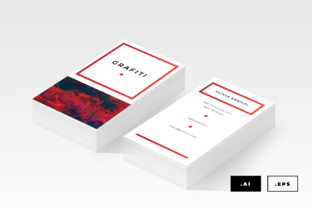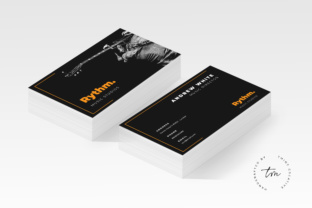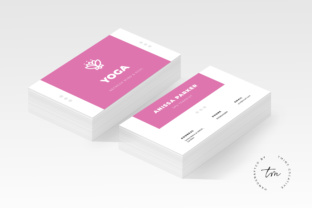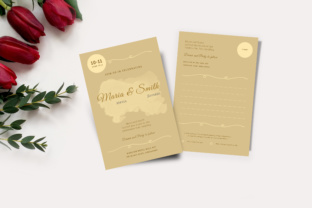
Wedding Invitation as a Modern Concept Business Card
In the world of professional and personal branding, the wedding invitation has evolved beyond its traditional role. It now serves as a powerful tool for showcasing creativity, style, and attention to detail. For professionals in fashion, photography, and lifestyle industries, a wedding invitation can double as a modern concept business card. This unique layout not only communicates essential information but also reflects the personality and values of the individual or brand behind it.
Understanding the Role of Wedding Invitation
A wedding invitation is more than just a piece of paper; it's the first impression of an event. It sets the tone for what guests can expect and plays a crucial role in the overall planning process. However, when designed with a modern approach, it can also serve as a business card that aligns with a broader brand identity. This dual-purpose design allows professionals to maintain consistency across their marketing materials while making a lasting impression.
The integration of a wedding invitation into a business card format ensures that every touchpoint with clients or customers reinforces the same visual language. Whether it's for a personal event or a corporate function, this approach streamlines communication and enhances professionalism.
How Wedding Invitation Fits into Workflows
Wedding invitations can be used at various stages of a project or task. Before an event, they help set expectations and gather RSVPs. During the planning phase, they serve as a reference for design elements and messaging. After the event, they can be repurposed as keepsakes or promotional tools. This versatility makes them valuable assets in both personal and professional workflows.
For instance, a photographer might use a wedding invitation as a business card to share contact information with potential clients. Similarly, a fashion designer could incorporate the invitation into a portfolio to showcase their creative vision. The key is to ensure that the design remains consistent with other brand materials, creating a cohesive experience for the audience.
Integration with Other Tools and Resources
The success of a wedding invitation as a business card depends on its compatibility with other tools and resources. This includes graphic design software, fonts, and image assets. A well-organized layout with clear layers allows for easy editing and customization, ensuring that the final product meets specific needs.
When using Adobe Photoshop CS 4 or later versions, designers can take advantage of the organized layers to adjust text, images, and colors without compromising the integrity of the design. This level of flexibility is essential for professionals who need to adapt their materials quickly and efficiently.
Practical Implementation Tips
To make the most of a wedding invitation as a business card, start by identifying the key information that needs to be included. This typically includes the name, contact details, and a brief description of services or products offered. Ensure that the text is concise and easy to read, even in a small format.
Next, focus on the visual elements. Use high-quality images and fonts that reflect the brand's identity. The CMYK color mode and 300 DPI resolution ensure that the final print looks sharp and professional. Additionally, take advantage of the front and rear landscape format to add extra information or a logo, enhancing the overall impact of the design.
Workflow Examples and Observations
Consider a scenario where a wedding planner uses a custom-designed invitation as a business card. By incorporating their logo and contact information, they create a seamless transition between event planning and personal branding. This approach not only saves time but also strengthens the brand's presence in the market.
Another example involves a lifestyle blogger who uses the invitation as a way to connect with followers. By including a call-to-action, such as a link to their website or social media profiles, they encourage engagement and drive traffic to their online platforms. This strategy demonstrates how a simple design can have a significant impact on digital marketing efforts.
Factors to Consider for Long-Term Use
When designing a wedding invitation as a business card, it's important to consider factors such as preparation, usability, and long-term use. Preparation involves gathering all necessary information and assets, while usability focuses on ensuring that the design is functional and effective.
Consistency is another critical factor. The design should align with other brand materials to maintain a unified look and feel. This includes using the same color schemes, fonts, and imagery across all platforms. Quality control is also essential to ensure that the final product meets the desired standards and expectations.
Enhancing Efficiency and Organization
Efficiency and organization are key to successful implementation. By using well-structured templates and following a clear workflow, designers can streamline the process and reduce the risk of errors. This includes organizing files, managing layers, and keeping track of revisions.
Additionally, taking advantage of the help file provided with the template can save time and effort. The download links for fonts and images ensure that all necessary assets are readily available, eliminating the need for additional searches or purchases. This level of preparation contributes to a more efficient and effective design process.
Conclusion
The wedding invitation has transformed into a versatile tool that can serve multiple purposes, including as a modern concept business card. Its ability to blend functionality with aesthetics makes it an ideal choice for professionals in various industries. By focusing on practical implementation, integration with other tools, and long-term use, individuals can maximize the value of this design.
Whether used for personal branding, corporate identity, or marketing purposes, the wedding invitation offers a unique opportunity to express creativity while maintaining professionalism. With the right approach, it can become an essential part of any workflow, helping to build stronger connections and achieve better outcomes.