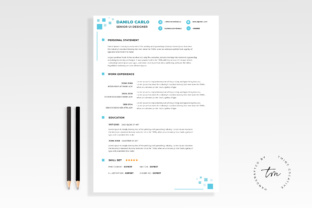
Resume CV: The Essential Guide to Creating a Professional and Effective Document
A well-crafted Resume CV is more than just a summary of your work history—it's a strategic tool that can make or break your career opportunities. Whether you're applying for a job, seeking a promotion, or building your professional brand, a high-quality Resume CV is essential. But with so many templates and design options available, it's easy to make mistakes that could hurt your chances. Understanding what makes a Resume CV effective—and how to avoid common pitfalls—can save you time, effort, and even money.
What Is a Resume CV and Why Does It Matter?
A Resume CV is a document that outlines your professional background, skills, education, and achievements. While the terms "resume" and "CV" are often used interchangeably, they serve slightly different purposes. A resume is typically shorter and tailored for specific jobs, while a CV is more detailed and used primarily in academic or research settings. However, for most professionals, the distinction is minimal, and the focus should be on creating a clear, concise, and visually appealing document.
When you choose the right Resume CV template, you're not just selecting a design—you're setting the tone for how employers perceive your professionalism and attention to detail. A poorly designed or disorganized Resume CV can signal carelessness, while a well-structured one can enhance your credibility and make a strong first impression.
Common Mistakes When Choosing a Resume CV Template
Many people rush into selecting a Resume CV template without considering the long-term implications. Here are some common missteps that can lead to poor results:
- Ignoring technical specifications: Not all templates are created equal. If you're planning to print your Resume CV, you need to ensure it meets the required size, bleed, and resolution standards. For example, an A4-sized document at 8.27×11.69 inches with a 300 DPI resolution and proper bleed margins is crucial for professional printing.
- Overlooking color profiles: Using the wrong color profile, such as RGB instead of CMYK, can result in unexpected color shifts when printed. Always check that your template uses the correct color mode for your intended use.
- Failing to organize layers: A well-organized layer structure in your design file makes it easier to edit and update your Resume CV. Without this, even minor changes can become time-consuming and frustrating.
How These Mistakes Can Affect Your Results
Mistakes in choosing or using a Resume CV template can have real consequences. For instance, if your document isn't formatted correctly for printing, you might end up with a blurry or distorted final product, which can reflect poorly on your professionalism. Similarly, if your font choices aren't clearly specified or if the template lacks proper spacing, your content may appear cluttered or hard to read.
Another issue is the lack of customization. Some templates are too generic or overly complex, making it difficult to tailor your Resume CV to specific job applications. This can lead to a one-size-fits-all approach that fails to highlight your unique qualifications and experiences.
Practical Advice for Avoiding Common Errors
To create an effective Resume CV, start by understanding your needs. Are you applying for a creative role, a corporate position, or an academic opportunity? Your choice of template should align with the industry and the expectations of your target audience. Here are some practical tips to guide you:
- Check technical requirements: Before downloading or purchasing a Resume CV template, verify that it meets the necessary specifications. Look for details like size (A4), bleed, color mode (CMYK), and resolution (300 DPI). This ensures your document will look sharp and professional whether it's printed or viewed digitally.
- Review the font usage: Many templates include custom fonts that may not be available on all devices. Make sure the template provides a backup font option or includes a "Read Me" file that explains how to access the fonts. This helps prevent formatting issues when your Resume CV is opened on different systems.
- Opt for clean and organized designs: A cluttered layout can distract from your content. Choose a template with clear sections, consistent spacing, and a logical flow. This makes your Resume CV easier to read and more likely to be noticed by hiring managers.
What to Check Before Using a Resume CV Template
Before finalizing your Resume CV, take a moment to review the following key elements:
- Layout and readability: Ensure that your text is easy to scan and that important information stands out. Avoid excessive use of graphics or decorative elements that could detract from your message.
- Consistency: Use the same font styles, sizes, and colors throughout your document. Inconsistent formatting can make your Resume CV look unprofessional and disorganized.
- Proofreading: Typos and grammatical errors can undermine your credibility. Always proofread your Resume CV carefully before submitting it.
Realistic Examples of Better Approaches
Consider this scenario: You find a Resume CV template online that looks modern and stylish. However, when you try to customize it, you realize the fonts aren’t properly embedded, and the layers are not organized. Instead of struggling to fix these issues, you opt for a more structured template that includes clear instructions and compatible fonts. This saves you time and ensures a cleaner final product.
Another example: You download a free Resume CV template that appears perfect for your needs. But when you print it, the colors look off, and the layout doesn’t fit the A4 size. By checking the technical specifications beforehand, you could have avoided this problem and saved yourself the hassle of reworking the document.
Conclusion: Make Smart Choices for a Stronger Resume CV
Creating a professional Resume CV requires more than just filling in the blanks—it involves careful planning, attention to detail, and a clear understanding of your goals. By avoiding common mistakes and choosing the right template, you can ensure that your Resume CV reflects your best self and increases your chances of success. Take the time to evaluate your options, check technical requirements, and prioritize clarity and consistency. With the right approach, your Resume CV can become a powerful tool in your career journey.